
Embark On Your Affiliate Marketing Journey: A Beginner’s Blueprint For Success
 In the ever-evolving landscape of online opportunities, affiliate marketing stands out as a promising avenue for individuals seeking to generate income from the comfort of their homes.
If you’re a beginner eager to explore the realm of affiliate marketing and unlock the potential to make money online, you’ve arrived at the right place. Welcome to a comprehensive guide tailored to help you navigate the intricate world of affiliate marketing with ease and confidence.
In this digital age, where the possibilities seem endless,
understanding the fundamentals of affiliate marketing is crucial for unlocking
your full potential as an online entrepreneur.
This article aims to serve as your go-to resource, offering a strategic roadmap for beginners looking to
grasp the essentials and embark on a successful affiliate marketing journey.
Join us as we demystify the intricacies of affiliate marketing,
providing you with actionable insights, practical tips, and a step-by-step
approach to accelerate your learning curve.
Whether you’re looking to supplement your current income, explore new career paths, or establish a
thriving online business, this beginner’s blueprint is designed to empower you
on your quest for financial success through affiliate marketing.
Get ready to delve into the world of affiliate marketing, where
opportunities abound, and your journey towards financial independence begins.
Let’s uncover the secrets, strategies, and skills you need to not only learn
affiliate marketing but also to thrive and prosper in this dynamic digital
landscape.
Understand The Basics Of Affiliate Marketing And Its Potential For Income Generation
 Affiliate marketing, at its core, is a performance-based marketing strategy where individuals, known as affiliates, earn a commission for promoting and driving sales for products or services of other companies.
It operates on a simple premise: affiliates partner with businesses, receive unique affiliate links, and earn a commission for every sale, click, or lead generated through their promotional efforts.
This symbiotic relationship creates a win-win scenario, where affiliates benefit from commission-based earnings, and companies expand their reach through a diverse network of marketers.
How Affiliate Marketing Works:
At its essence, affiliate marketing involves three primary players – the merchant, the affiliate, and the consumer. The merchant is the product or service provider seeking to increase sales, the affiliate is the intermediary marketer promoting the products, and the consumer is the end-user making a purchase.
1. Affiliate joins a program: Affiliates start by joining an affiliate program offered by a merchant. This is typically free and grants them access to promotional materials and a unique affiliate ID.
2. Selecting products or services: Affiliates choose products or services they want to promote. This selection is often based on personal interests, niche relevance, or perceived market demand.
3. Promotion through unique affiliate links: Affiliates receive unique tracking links that identify their promotional efforts. These links, embedded in content or advertisements, allow merchants to trace the source of traffic and sales generated by each affiliate.
4. Earning commissions: Affiliates earn a commission whenever a consumer clicks on their affiliate link and completes a desired action, such as making a purchase. Commissions can be a percentage of the sale or a fixed amount, depending on the merchant’s terms.
The Potential For Income Generation:
One of the most enticing aspects of affiliate marketing, especially for beginners, is its limitless potential for income generation. Here’s why:
1. Low Entry Barriers: Unlike traditional business models that may require significant upfront investment, affiliate marketing has low entry barriers. You can start with minimal costs, making it accessible for beginners.
2. Flexible Work Environment: Affiliate marketing offers the flexibility to work from anywhere with an internet connection. This flexibility is particularly attractive for seniors looking to explore new opportunities without the constraints of a traditional office setting.
3. Passive Income Opportunities: As you build a portfolio of quality content and establish a loyal audience, your affiliate links can generate passive income. Even while you sleep, your promotional efforts continue to work for you.
4. Diverse Niche Options: With a plethora of products and services available for promotion, affiliates can choose niches that align with their interests or expertise. This makes the learning process enjoyable and increases the likelihood of sustained effort.
Understanding these fundamentals lays the groundwork for your affiliate marketing journey. In the subsequent sections of this guide, we’ll delve deeper into the strategies, tools, and best practices that will empower you to maximize your income potential in the dynamic world of affiliate marketing.
Identify Your Niche: The importance Of Passion And Knowledge In Affiliate Marketing
 In the vast landscape of affiliate marketing, your niche is not just a choice; it’s a strategic decision that can significantly impact your success.
A niche represents a specialized segment of the market that aligns with your interests, expertise, and, most importantly, your passion. This section explores the crucial process of niche selection and emphasizes the importance of intertwining passion and knowledge to create a flourishing affiliate marketing venture.
Why Your Niche Matters:
1. Passion Fuels Commitment: When you’re passionate about a particular subject or industry, it transcends into your work. The enthusiasm you bring to your content and promotions becomes palpable, resonating with your audience and fostering a sense of authenticity. This authenticity is a powerful tool in building trust and credibility with your audience.
2. Knowledge Enhances Authority: In affiliate marketing, being perceived as an authority in your niche is key to success. Your knowledge and expertise shine through in your content, establishing you as a reliable source of information. This authority not only attracts a dedicated audience but also positions you as a go-to resource for product recommendations.
3. Targeted Audience Engagement: A well-defined niche allows you to target a specific audience interested in the products or services you promote. This targeted approach increases the relevance of your content, making it more likely to resonate with your audience and drive conversions.
Choose Your Niche:
1. Evaluate Your Interests: Start by identifying your personal interests and hobbies. What topics or activities are you genuinely passionate about? Your enthusiasm will be a driving force in your affiliate marketing journey.
2. Assess Your Knowledge and Expertise: Consider your areas of expertise or knowledge. It could be a professional skill, a hobby you’ve cultivated over the years, or a subject you’ve studied extensively. Leverage your existing knowledge to establish credibility in your chosen niche.
3. Market Research: Explore the market to assess the demand and competition within potential niches. Tools like keyword research and trend analysis can provide insights into the popularity and viability of different niches.
4. Balance Passion with Profitability: While passion is crucial, it’s also essential to evaluate the profitability of your chosen niche. Look for a balance between what you love and what has market demand. Finding the sweet spot ensures you’re not only enjoying your work but also maximizing your income potential.
Build A Successful Affiliate Marketing Strategy:
Once you’ve identified your niche, the next steps involve creating a content strategy, understanding your audience, and selecting relevant affiliate products. The fusion of passion and knowledge in your niche will be the driving force behind your content creation, setting the stage for a successful affiliate marketing venture.
In the upcoming sections, we’ll delve into the intricacies of crafting compelling content, understanding your target audience, and optimizing your affiliate marketing efforts to achieve sustainable, long-term success in the digital realm.
Choose The Right Affiliate Programs And Products To Promote
 The success of your affiliate marketing journey hinges on the careful selection of affiliate programs and products to promote.
While a plethora of options may be enticing, strategic decision-making is crucial to align your efforts with products that resonate with your audience and yield favorable returns.
In this section, we’ll explore the key considerations and best practices for choosing the right affiliate programs and products to maximize your earning potential.
Key Considerations For Affiliate Program Selection:
1. Relevance to Your Niche: The first and foremost consideration is relevance. The affiliate programs you choose should align seamlessly with your chosen niche. This alignment ensures that the products you promote complement your content, maintaining a cohesive and authentic brand image.
2. Commission Structure: Evaluate the commission structure offered by affiliate programs. Some programs offer a percentage of the sale, while others provide a fixed commission.
Additionally, consider the cookie duration, which determines how long you earn a commission after a user clicks on your affiliate link.
3. Product Quality and Reputation: The credibility of the products you promote directly reflects on your brand. Choose affiliate programs associated with high-quality products or services. Research the reputation of both the merchant and the products to build trust with your audience.
4. Affiliate Support and Resources: Opt for programs that provide adequate support and resources to their affiliates. This may include marketing materials, product information, and dedicated affiliate managers. Strong support can significantly impact your ability to effectively promote products.
Strategies For Selecting Affiliate Products:
1. Personal Experience and Review: If possible, promote products you have personally used and can genuinely recommend. Sharing your firsthand experience adds authenticity to your content and builds trust with your audience.
2. Target Audience Preferences: Understand the preferences and needs of your target audience. Tailor your product selection to align with the interests and challenges of your audience, increasing the likelihood of engagement and conversions.
3. Diversification: Instead of relying solely on a single product or program, consider diversifying your affiliate portfolio. This not only mitigates risks associated with changes in the market but also allows you to cater to a broader audience.
4. Seasonal and Trend Analysis: Stay abreast of industry trends and seasonal demands. Promoting products that are currently in demand or align with specific trends can enhance your earning potential during peak periods.
Research And Due Diligence:
Before committing to any affiliate program or product, conduct thorough research and due diligence. Read reviews, analyze the terms and conditions, and seek feedback from other affiliates. A well-informed decision at this stage can save you time and effort in the long run.
Choosing the right affiliate programs and products involves a delicate balance between relevance, quality, and earning potential.
As we progress through this guide, we’ll delve deeper into optimization strategies, content creation, and marketing techniques to help you leverage your chosen affiliate partnerships for maximum impact and sustained success in the competitive world of affiliate marketing.
Set Up Your Affiliate Marketing Platform: Website, Blog, Or Social Media
 The foundation of your affiliate marketing success lies in the establishment of a robust and effective platform. Whether you opt for a website, blog, or leverage social media channels, the choice of your platform significantly influences your reach, engagement, and overall impact in the digital space. In this section, we’ll explore the considerations and strategies involved in setting up your affiliate marketing platform, helping you make informed decisions that align with your goals.
Choose The Right Platform:
1. Website: A dedicated website provides a centralized hub for your affiliate marketing efforts. It offers full control over your content, branding, and user experience. Building a website allows you to create a professional online presence, establish credibility, and optimize for search engines.
2. Blog: A blog is an excellent platform for creating content-rich experiences that engage your audience. It provides a more casual and personal touch, allowing you to connect with your readers on a deeper level. Regular blog posts can also enhance your website’s search engine optimization (SEO) and attract a steady flow of organic traffic.
3. Social Media: Social media platforms, such as Instagram, Facebook, or Pinterest, offer a dynamic and interactive environment for affiliate marketing.
These channels are particularly effective for visual content and can help you quickly build a community of followers. However, keep in mind that social media algorithms and policies can impact the visibility of your content.
Considerations For Platform Setup:
1. Domain and Hosting: If you choose a website or blog, invest in a custom domain and reliable hosting. A personalized domain enhances your brand identity, while quality hosting ensures your platform is responsive and accessible to users.
2. Content Strategy: Develop a content strategy that aligns with your chosen platform. For a website or blog, this may involve creating informative articles, product reviews, and guides. On social media, focus on visually appealing content, engaging captions, and strategic use of hashtags.
3. User-Friendly Design: Prioritize a user-friendly design that enhances navigation and readability. Ensure that your platform is responsive across devices, providing a seamless experience for visitors on both desktop and mobile.
4. SEO Optimization: Implement SEO best practices to enhance the visibility of your content. This includes keyword research, meta tags, and high-quality, relevant content that resonates with your target audience.
Build A Strong Online Presence:
1. Consistent Branding: Maintain consistent branding across your platform. This includes a cohesive logo, color scheme, and messaging. Consistent branding builds trust and recognition among your audience.
2. Engagement and Community Building: Actively engage with your audience through comments, social media interactions, and community-building efforts. Foster a sense of community around your platform, encouraging discussions and user participation.
3. Analytics and Performance Monitoring: Implement analytics tools to track the performance of your platform. Monitor key metrics such as traffic, click-through rates, and conversion rates. Use this data to refine your strategies and optimize for better results.
As we progress through this guide, we’ll dive deeper into specific tactics for each platform, providing insights into content creation, audience engagement, and optimization techniques.
Whether you’re building a website, blog, or leveraging social media, a well-crafted platform is the cornerstone of your affiliate marketing success.
Create Engaging And Trustworthy Content That Resonates With Your Audience
 In the realm of affiliate marketing, content is king. The success of your efforts hinges on your ability to create compelling, informative, and trustworthy content that not only captures your audience’s attention but also drives them to take action.
In this section, we’ll explore the key principles and strategies for crafting content that resonates with your audience and builds a foundation of trust.
Understand Your Audience:
1. Audience Persona: Begin by developing a clear understanding of your target audience. Create detailed audience personas that encompass demographics, interests, challenges, and preferences. This knowledge forms the basis for tailoring your content to meet the specific needs of your audience.
2. Market Research: Conduct thorough market research to identify trending topics, popular keywords, and the pain points of your audience. Tools like keyword planners and social media analytics can provide valuable insights into what your audience is searching for and discussing.
Craft Compelling Content:
1. Educational Content: Position yourself as an authority in your niche by creating educational content. Offer valuable insights, tips, and tutorials that address the challenges your audience faces. This not only establishes your credibility but also fosters a sense of reciprocity.
2. Product Reviews: Produce honest and thorough product reviews. Share your personal experiences with the products you promote, highlighting both the pros and cons. Authentic reviews build trust with your audience and guide them in making informed purchase decisions.
3. Visual Appeal: Incorporate visually appealing elements into your content. Use high-quality images, infographics, and videos to enhance the overall visual appeal. Visual content is more likely to capture and retain the attention of your audience.
Build Trust Through Transparency:
1. Disclosure and Transparency: Be transparent about your affiliate relationships. Clearly disclose when you use affiliate links and explain how they contribute to the sustainability of your content. Honesty builds trust, and an upfront approach resonates with discerning audiences.
I am a member of the Wealthy Affiliate community, which I highly recommend to anyone and everyone.
2. Authenticity: Infuse authenticity into your content by sharing personal anecdotes and experiences. Genuine stories create a connection with your audience, humanizing your brand and making it relatable.
3. Consistent Tone and Style: Maintain a consistent tone and style throughout your content. Whether your approach is casual, professional, or a mix of both, consistency contributes to brand recognition and reinforces your identity.
Optimize For User Experience:
1. Mobile-Friendly Design: Ensure that your content is accessible and enjoyable across various devices, especially on mobile. A mobile-friendly design enhances the user experience and caters to the preferences of an increasingly mobile audience.
2. Clear Call-to-Action (CTA): Guide your audience on the next steps with a clear and compelling call-to-action. Whether it’s encouraging them to explore a product, sign up for a newsletter, or make a purchase, a well-crafted CTA directs their actions.
Measure And Adapt:
1. Analytics Tracking: Implement analytics tools to track the performance of your content. Monitor metrics such as page views, click-through rates, and conversion rates. Analyzing this data provides valuable insights into what resonates with your audience.
2. Adaptation and Iteration: Use the data gathered to refine your content strategy. Adapt to the preferences of your audience, experiment with different formats, and iterate on your content based on performance metrics.
Creating engaging and trustworthy content is an ongoing process that requires a deep understanding of your audience, a commitment to transparency, and a dedication to providing value.
As we progress through this guide, we’ll delve into specific content creation techniques tailored to each platform, ensuring that your content not only captures attention but also fosters lasting relationships with your audience.
Leverage SEO: Utilize Keywords And Optimize Your Content For Search Engines
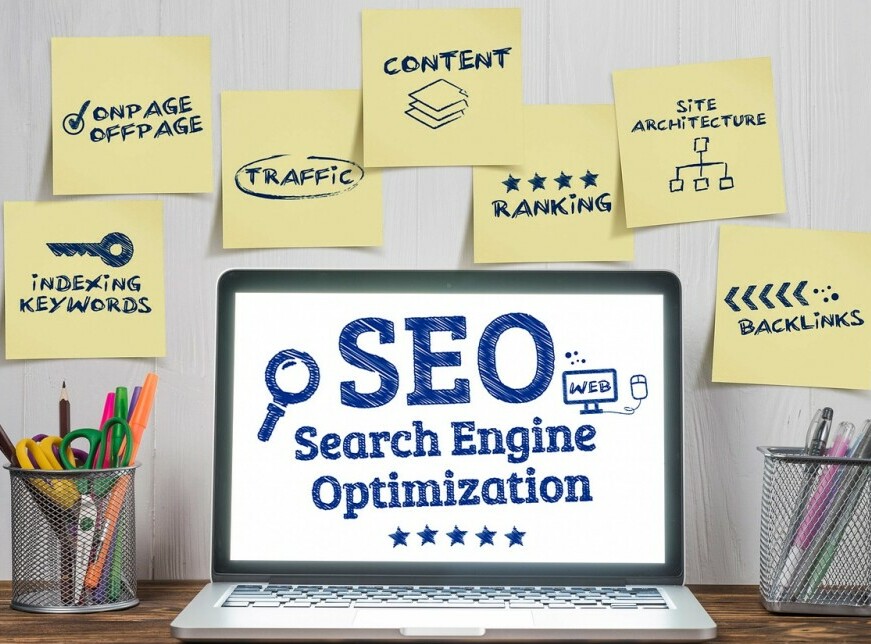 In the vast landscape of digital marketing, Search Engine Optimization (SEO) stands as a powerful tool for increasing the visibility of your content and driving organic traffic to your affiliate marketing platform.
In this section, we’ll delve into the essential strategies for leveraging SEO effectively, with a focus on incorporating keywords and optimizing your content to enhance its discoverability by search engines.
Understand The Role Of SEO:
1. Increased Visibility: SEO is the key to unlocking higher rankings on search engine results pages (SERPs). By optimizing your content for search engines, you enhance its visibility, making it more likely to be discovered by users actively seeking information within your niche.
2. Organic Traffic Growth: Organic traffic, driven by SEO, is valuable for its sustainability and cost-effectiveness. Unlike paid advertising, organic traffic is earned over time through the relevance and quality of your content, creating a consistent stream of visitors.
Incorporate Keywords Strategically:
1. Keyword Research: Conduct thorough keyword research to identify phrases and terms relevant to your niche. Utilize tools like Google Keyword Planner, Jaaxy, SEMrush, or Ahrefs to discover high-volume, low-competition keywords that align with your content.
2. Long-Tail Keywords: While incorporating primary keywords is crucial, don’t overlook the power of long-tail keywords—more specific, longer phrases that cater to niche searches.
Long-tail keywords often have lower competition and can attract highly targeted traffic.
Optimize On-Page Content:
1. Title Tags: Craft compelling and descriptive title tags that accurately represent the content of your page. Include primary keywords naturally, keeping the title concise and engaging.
2. Meta Descriptions: Write concise and persuasive meta descriptions that provide a preview of your content. While meta descriptions may not directly impact rankings, they influence click-through rates, making them an essential element of SEO.
3. Header Tags (H1, H2, H3): Organize your content using header tags to create a hierarchy. The H1 tag represents the main heading, while H2 and H3 tags break down content into subsections. This structure not only enhances readability but also signals the importance of specific content to search engines.
4. Keyword Placement: Integrate primary and secondary keywords naturally within the body of your content. Avoid keyword stuffing, and ensure that your content flows organically. Search engines prioritize content that provides value to users.
Technical SEO Best Practices:
1. Mobile Optimization: With an increasing number of users accessing content on mobile devices, ensure your platform is mobile-friendly. Responsive design not only improves user experience but is also a ranking factor for search engines.
2. Site Speed: Page load speed is a critical factor for both user experience and search engine rankings. Optimize images, leverage browser caching, and invest in reliable hosting to enhance your site’s speed.
3. Sitemap Submission: Submit a sitemap of your website to search engines like Google and Bing. This enables search engines to crawl and index your content more efficiently.
Earn Quality Backlinks:
1. Quality Content Attracts Links: Create high-quality, valuable content that naturally attracts backlinks from other reputable websites. Search engines view backlinks as a vote of confidence in your content’s credibility.
2. Outreach and Networking: Actively engage in outreach and networking within your niche. Building relationships with other content creators can lead to collaborative opportunities and organic backlinks.
Regular Monitoring And Adaptation:
1. Analytics Tracking: Utilize analytics tools to monitor the performance of your SEO efforts. Track metrics such as organic traffic, keyword rankings, and user behavior to identify areas for improvement.
2. Algorithm Updates: Stay informed about search engine algorithm updates. Search engines continually refine their algorithms, and staying abreast of changes allows you to adapt your SEO strategy accordingly.
Effectively leveraging SEO requires a strategic and continuous effort. By incorporating relevant keywords, optimizing on-page content, addressing technical SEO aspects, and earning quality backlinks, you can enhance the visibility of your affiliate marketing platform and attract a steady stream of organic traffic. As we progress through this guide, we’ll explore advanced SEO strategies and techniques tailored to specific platforms, ensuring your content stands out in the competitive digital landscape.
Build An Audience: Strategies For Growing And Maintaining Followers
 In the dynamic realm of affiliate marketing, the success of your endeavors is closely tied to your ability to build and sustain a dedicated audience.
A thriving audience not only amplifies the reach of your promotional efforts but also lays the foundation for long-term success.
In this section, we’ll explore effective strategies for growing and maintaining followers across various platforms, be it your website, blog, or social media channels.
Understand Your Audience:
1. Audience Persona Refinement: Continuously refine your understanding of your target audience. Regularly revisit audience personas to stay attuned to shifting preferences, emerging trends, and evolving demographics within your niche.
2. Feedback and Interaction: Actively seek feedback from your audience through comments, surveys, and social media interactions. Understanding their needs and preferences allows you to tailor your content and engagement strategies accordingly.
Strategies For Growing Your Audience:
1. Consistent Content Creation: Regularly publish high-quality, valuable content aligned with the interests of your audience. Consistency in content creation establishes expectations among your followers, encouraging them to return for more.
2. Cross-Promotion: Collaborate with other content creators, influencers, or businesses within your niche for cross-promotion. This mutually beneficial strategy exposes your content to new audiences and broadens your reach.
3. Social Media Engagement: Leverage the power of social media to engage with your audience. Actively participate in conversations, respond to comments, and utilize social media features such as stories, polls, and live sessions to enhance engagement.
4. Contests and Giveaways: Organize contests and giveaways to incentivize audience participation and attract new followers. Encourage participants to share your content or tag friends, creating a ripple effect that expands your audience.
Community Building And Maintenance:
1. Create a Community Hub: Establish a sense of community by creating forums, groups, or dedicated spaces for audience interaction. Platforms like Discord, Facebook Groups, or community forums on your website provide spaces for like-minded individuals to connect.
2. Personalized Engagement: Engage with your audience on a personal level. Respond to comments, ask for opinions, and make your audience feel valued. Personalized engagement fosters a sense of connection and loyalty.
3. Exclusive Content: Provide exclusive content or perks to your dedicated followers. This could include early access to content, special discounts, or members-only resources. Exclusive offerings create a sense of exclusivity, encouraging followers to remain engaged.
Utilize Email Marketing:
1. Build an Email List: Capture the email addresses of your audience to build a direct communication channel. Offer incentives such as newsletters, free resources, or exclusive updates to encourage sign-ups.
2. Segmentation and Personalization: Segment your email list based on user preferences or behavior. Tailor your email campaigns to specific segments, delivering content that resonates with each group. Personalization enhances the relevance of your communications.
Monitoring and Adapting:
1. Analytics Tracking: Utilize analytics tools to track audience growth, engagement metrics, and user behavior. Analyzing data provides insights into the effectiveness of your strategies and helps identify areas for improvement.
2. Adaptation to Trends: Stay abreast of industry trends and emerging platforms. Embrace new features, adapt to evolving preferences, and explore innovative ways to connect with your audience. Remaining flexible ensures your strategies remain effective in a dynamic digital landscape.
Building and maintaining an audience is an ongoing process that requires dedication, adaptability, and a deep understanding of your followers. As we progress through this guide, we’ll explore platform-specific audience-building techniques, helping you tailor your strategies to the unique dynamics of your chosen affiliate marketing platform.
Analytics And Adaptation: How To Track Your Progress And Adjust Your Strategies
 In the ever-evolving landscape of affiliate marketing, the ability to track progress and adapt strategies based on data-driven insights is crucial for sustained success.
Analytics provide a window into the performance of your efforts, allowing you to refine your approach, optimize for better results, and stay ahead of the curve.
In this section, we’ll explore the importance of analytics in affiliate marketing and provide guidance on how to effectively track your progress while adapting your strategies.
Importance Of Analytics In Affiliate Marketing:
1. Performance Evaluation: Analytics serve as a comprehensive tool for evaluating the performance of your affiliate marketing efforts. By tracking key metrics, you gain insights into what’s working well and areas that may need improvement.
2. Data-Driven Decision Making: Instead of relying on assumptions or guesswork, analytics enable data-driven decision making. This strategic approach ensures that adjustments to your affiliate marketing strategies are based on concrete evidence, increasing the likelihood of success.
Key Metrics To Track:
1. Traffic Sources: Identify the sources of traffic to your affiliate marketing platform. Understanding where your audience is coming from allows you to prioritize efforts on channels that yield the best results.
2. Conversion Rates: Track the conversion rates of your affiliate links. This metric indicates the percentage of visitors who take the desired action, such as making a purchase. Analyzing conversion rates helps you assess the effectiveness of your promotional efforts.
3. Click-Through Rates (CTR): Monitor the click-through rates of your affiliate links. A high CTR suggests that your audience is engaging with your content and is interested in the products or services you promote.
4. Revenue and Earnings: Keep a close eye on your affiliate marketing revenue and earnings. Analyzing income generated through affiliate links allows you to gauge the overall profitability of your efforts.
Utilize Analytics Tools:
1. Google Analytics: Implement Google Analytics on your website or blog to gain detailed insights into user behavior, traffic sources, and engagement metrics. Google Analytics provides a robust platform for understanding how visitors interact with your content.
2. Affiliate Network Analytics: If you’re part of an affiliate network, leverage the analytics tools provided by the network. These tools offer specific insights into the performance of your affiliate links, commissions earned, and the effectiveness of your promotional campaigns.
Adapt Strategies Based On Analytics:
1. Identify High-Performing Content: Analyze the performance of your content to identify high-performing pieces. Look for commonalities in these successful posts and use the insights to inform your content creation strategy.
2. Optimize Low-Performing Content: For content that underperforms, assess what elements may be hindering its success. It could be issues with keywords, lack of engagement, or suboptimal promotion. Make necessary adjustments to optimize underperforming content.
3. Adjust Promotional Channels: If analytics reveal that certain promotional channels are delivering better results than others, consider reallocating resources. Focus your efforts on platforms that drive higher traffic, engagement, and conversions.
4. Refine Targeting: Use analytics to refine your audience targeting. If certain demographics or segments show a higher conversion rate, tailor your content and promotional strategies to better appeal to those specific groups.
Regular Analysis And Iteration:
1. Scheduled Analysis: Establish a routine for regular analysis of your analytics data. Set aside dedicated time intervals to review performance metrics, ensuring that you stay informed about the ongoing effectiveness of your strategies.
2. Stay Informed About Industry Trends: Keep abreast of industry trends and changes in the affiliate marketing landscape. Being aware of emerging technologies, consumer behaviors, and algorithm updates allows you to proactively adapt your strategies.
Adapting your affiliate marketing strategies based on analytics is a dynamic and iterative process. By consistently tracking your progress, identifying patterns, and making informed adjustments, you position yourself for long-term success in the ever-changing digital environment.
As we progress through this guide, we’ll explore advanced analytics techniques and platform-specific strategies, helping you refine your approach for optimal results.
Legal Considerations: Adhere To Disclosure Requirements And Ethical Marketing Practices
 In the world of affiliate marketing, transparency, honesty, and ethical conduct are not only best practices but also legal requirements.
As an affiliate marketer, navigating the legal landscape is crucial to building trust with your audience and avoiding potential legal pitfalls.
In this section, we’ll explore the key legal considerations, focusing on disclosure requirements and ethical marketing practices.
Importance Of Legal Compliance:
- Building Trust: Adhering to legal requirements builds trust with your audience. Transparent and ethical practices contribute to a positive reputation, fostering long-term relationships with your followers.
- Avoiding Legal Consequences: Failure to comply with disclosure regulations and ethical standards can lead to legal consequences, including fines and damage to your brand’s credibility. Understanding and implementing legal guidelines is essential for safeguarding your affiliate marketing endeavors.
Disclosure Requirements:
- FTC Guidelines: In the United States, the Federal Trade Commission (FTC) sets guidelines for affiliate marketing disclosures. The FTC requires clear and conspicuous disclosures whenever there is a financial relationship between the affiliate and the product or service being promoted.
- Clear and Conspicuous Disclosures: Disclosures should be clear, easy to understand, and prominently placed where consumers can easily notice them. This includes placing disclosures in blog posts, social media posts, videos, and any other content where affiliate links are present.
- Use of Affiliate Disclaimers: Incorporate affiliate disclaimers such as “This post contains affiliate links” or “I may earn a commission if you purchase through my links.” The language should be straightforward and easily comprehensible to your audience.
Ethical Marketing Practices:
- Authenticity and Honesty: Maintain authenticity and honesty in your marketing efforts. Clearly communicate your experiences, opinions, and affiliations with products or services. Avoid misleading or exaggerated claims that could misinform your audience.
- Avoiding Deceptive Practices: Refrain from engaging in deceptive marketing practices. This includes misleading promotions, false endorsements, or any tactics that may manipulate or deceive consumers.
- Respecting Consumer Privacy: Respect the privacy of your audience. Clearly communicate how you collect, use, and protect user data. Adhere to privacy laws and regulations, and obtain consent when required, especially if you collect personal information.
International Considerations:
- Global Compliance: If your affiliate marketing activities extend beyond a single country, be aware of and comply with international regulations. Different countries may have varying disclosure and privacy requirements that you need to navigate.
- GDPR Compliance: If your audience includes individuals in the European Union, ensure compliance with the General Data Protection Regulation (GDPR). This includes obtaining explicit consent for collecting and processing personal data.
Educate Your Audience:
- Explain Affiliate Relationships: Educate your audience about affiliate marketing and how it works. Clearly explain the concept of earning commissions through affiliate links, and emphasize that your recommendations are based on genuine preferences and experiences.
- Provide Value First: Prioritize providing value to your audience over promotional activities. Genuine content that meets the needs and interests of your audience is more likely to be well-received.
Regular Compliance Audits:
- Periodic Review of Practices: Conduct periodic reviews of your marketing practices to ensure ongoing compliance with legal and ethical standards. Stay informed about updates to regulations and adapt your practices accordingly.
- Legal Consultation: Consider seeking legal advice or consultation to ensure that your affiliate marketing activities align with current regulations and ethical standards.
Navigating the legal landscape of affiliate marketing requires diligence, ongoing education, and a commitment to ethical conduct. As we progress through this guide, we’ll delve into platform-specific legal considerations and provide additional insights to help you maintain a lawful and ethical affiliate marketing presence.
Stay Updated And Continue Education: Keep Up With The Latest Trends In Affiliate Marketing
 In the dynamic and ever-evolving field of affiliate marketing, staying informed about the latest trends, tools, and strategies is essential for maintaining a competitive edge.
Continuously educating yourself allows you to adapt to industry shifts, leverage emerging technologies, and refine your approach to meet the evolving needs of your audience.
In this section, we’ll explore the importance of staying updated and provide guidance on how to continue your education in affiliate marketing.
Importance Of Staying Updated:
1. Adaptation to Industry Changes: The digital landscape, consumer behavior, and affiliate marketing platforms are constantly evolving. Staying updated enables you to adapt to industry changes, ensuring that your strategies remain effective in the face of emerging trends.
2. Leveraging New Technologies: Technology plays a pivotal role in affiliate marketing. Staying informed about new tools, analytics platforms, and marketing automation technologies allows you to leverage the latest advancements to streamline your processes and enhance your results.
Strategies For Staying Updated:
1. Follow Industry Blogs and News: Regularly read industry blogs, news articles, and updates from reputable sources in the affiliate marketing space. Platforms like Affiliate Marketing Insider, Affiliate Summit, and affiliate marketing sections of major marketing blogs can provide valuable insights.
2. Attend Webinars and Conferences: Participate in webinars and attend affiliate marketing conferences. These events often feature industry experts, thought leaders, and case studies, offering a wealth of information on current trends and best practices.
3. Join Affiliate Marketing Communities: Engage with affiliate marketing communities, forums, and social media groups. Participating in discussions with fellow marketers provides an avenue for sharing experiences, learning from others, and staying updated on industry happenings.
Enroll In Online Courses And Training:
1. Affiliate Marketing Courses: Enroll in online courses that focus on affiliate marketing. Platforms like Udemy, Coursera, Wealthy Affiliate, and specialized affiliate marketing training programs offer courses ranging from beginner to advanced levels.
2. SEO and Digital Marketing Courses: Given the close relationship between SEO, digital marketing, and affiliate marketing, consider taking courses in these areas. Understanding broader digital marketing strategies enhances your ability to create comprehensive and effective affiliate campaigns.
Follow Influencers And Thought Leaders:
1. Social Media Follows: Follow influencers and thought leaders in affiliate marketing on social media platforms. Twitter, LinkedIn, and YouTube are common platforms where industry experts share insights, tips, and updates.
2. Subscribe to Newsletters: Subscribe to newsletters from reputable sources and influencers in the affiliate marketing space. Newsletters often deliver curated content, industry news, and valuable resources directly to your inbox.
Experiment With New Strategies:
1. Hands-On Experimentation: Don’t hesitate to experiment with new strategies and tactics. Implementing what you learn through hands-on experience provides a deeper understanding and helps you identify what works best for your specific niche and audience.
2. Case Studies and Success Stories: Study case studies and success stories in affiliate marketing. Analyzing real-world examples can offer practical insights into the application of successful strategies and help you adapt them to your own campaigns.
Networking And Collaboration:
1. Networking Events: Attend networking events, both online and offline. Building connections with other affiliate marketers, industry professionals, and potential collaborators broadens your perspective and opens opportunities for learning.
2. Collaborate with Peers: Collaborate with fellow affiliate marketers on joint projects or campaigns. Collaborative efforts provide exposure to different approaches and strategies, fostering a culture of mutual learning.
Create A Personal Development Plan:
1. Set Learning Goals: Define specific learning goals for yourself. Whether it’s mastering a new aspect of digital marketing, understanding analytics tools, or exploring advanced SEO techniques, setting goals keeps your education focused.
2. Regular Review of Progress: Periodically review your progress in achieving learning goals. This process allows you to assess the impact of your education efforts and identify areas where further development is needed.
Continuing education is a foundational element of sustained success in affiliate marketing. As we progress through this guide, we’ll delve into advanced strategies, platform-specific insights, and emerging trends, providing you with the knowledge and tools to stay ahead in this dynamic and competitive field.
Conclusion: Master Affiliate Marketing For Lasting Success
 Embarking on your affiliate marketing journey demands a strategic blueprint that encompasses various elements for sustained success.
From understanding the basics and choosing the right niche to creating engaging content and optimizing for search engines, each step plays a crucial role.
Building and maintaining an audience, legal compliance, and staying updated with industry trends are equally vital components.
Key Takeaways:
1. Strategic Foundations: Start with a clear understanding of affiliate marketing basics, emphasizing relevance to your chosen niche.
2. Content is King: Craft engaging, trustworthy content that resonates with your audience, prioritizing authenticity and value.
3. Platform Optimization: Choose and optimize your platform – website, blog, or social media – ensuring user-friendly design and effective SEO practices.
4. Audience Building: Employ strategies for growing and maintaining followers, emphasizing community building and personalized engagement.
5. SEO Mastery: Leverage SEO techniques, including keyword research, on-page optimization, and earning quality backlinks, to enhance visibility.
6. Platform Setup: Establish a strong online presence through an optimized website, blog, or social media platform.
7. Legal Compliance: Adhere to disclosure requirements, ethical marketing practices, and international regulations to build trust and avoid legal consequences.
8. Analytics and Adaptation: Regularly track progress, analyze key metrics, and adapt strategies based on data-driven insights for continuous improvement.
9. Lifelong Learning: Stay updated with industry trends, enroll in courses, attend webinars, and collaborate with peers for continuous education.
Mastering affiliate marketing is an ongoing journey that demands adaptability, ethical conduct, and a commitment to delivering value to your audience.
By implementing these strategies, staying informed, and continuously refining your approach, you’ll navigate the dynamic landscape of affiliate marketing with confidence and achieve lasting success.
Leave comments and questions in the space below. I will promptly reply.

This is a very detailed and informative guide for anybody that wanting to learn more about affiliate marketing, and how they can use it to generate income from home. Choosing a niche that you are knowledgeable about, is so important. Your can then create content which carries authenticity, and build trust with your audience.
From SEO to content creation, and even the legal aspects of building an affiliate marketing business, you have covered all the aspects in this helpful guide.
Hello LineCowley, thanks for your comments. I’m glad you see the thoroughness of the article. Much of what I wrote is written to myself based on some of my past mistakes. I hope others can learn from my mistakes.
Leave comments and questions here any time. I will promptly reply.
Bob