

- Pay yourself first-Put away at least 10% of your income before you pay any bills and get used to living on 90% of your income.
- Make more or spend less but don’t spend more than you make.
- Document all your finances, no matter how little or how much.
- Create separate accounts/buckets of money for all your finances.
- Focus on financial freedom.
Feeling overwhelmed by finances in retirement? You’re not alone! Learn from a reformed spender’s 5 practical tips for {creating a personal budget} that works for seniors. Discover how to save, track expenses, and achieve financial freedom!
From Nervous to Nirvana – My Journey to Financial Freedom as a Senior

Remember that sinking feeling in the pit of your stomach? The one that hits you when a medical bill arrives, or when you realize your retirement savings might not stretch as far as you’d hoped?
As a senior myself, I know that feeling all too well. For most of my life, finances were a constant source of stress. Twice I went through the humiliation of bankruptcy, a burden I wouldn’t wish on anyone.
But here’s the amazing part: It doesn’t have to be this way. In my early sixties, I finally cracked the code. I discovered a simple, yet powerful, method for taking control of my finances and achieving a sense of financial security I never thought possible. Now, instead of worrying about money, I can focus on the things that truly matter – spending time with loved ones, traveling to new places, and living life to the fullest.
This article is all about sharing the secrets I learned. We’ll explore five key budgeting tips that can help any senior, regardless of income, take charge of their finances and build a brighter future. We’ll delve into the importance of saving consistently, tracking every penny, and prioritizing needs over wants. We’ll discover how “sinking funds” can help you achieve specific goals, and how to shift your mindset from feeling restricted by a budget to being empowered by it.
Let me be clear: this isn’t about some rigid, one-size-fits-all plan. What worked for me might need some tweaking for you, and that’s okay! The goal is to show you the tools and strategies you need to create a personalized budgeting system that truly works for your unique situation. So, if you’re ready to say goodbye to financial anxiety and hello to peace of mind, let’s get started!
The Roadblocks on Our Journey

The Fixed Income Squeeze: Unlike our working years with regular paychecks, retirement often means living on a fixed income. Social Security might be our primary source of income, supplemented by pensions or retirement savings. The challenge here is that expenses, especially healthcare costs, seem to only go up. This can create a constant feeling of insecurity, wondering if our money will stretch far enough.
Here are two things to remember about the fixed income squeeze:
- You’re Not Alone: This is a reality for most seniors. There are resources available to help, like government assistance programs or senior discounts. We’ll explore some of these options later in the article.
- Focus on What You Can Control: While we can’t control rising costs, we can control our spending habits. Effective budgeting can help us maximize our fixed income and make the most of every dollar.

The Financial Literacy Gap: Let’s face it, personal finance education wasn’t a huge priority in schools back in the day. Many seniors simply don’t have the financial knowledge or tools they need to navigate the complexities of money management in retirement. This lack of literacy can lead to confusion, making it difficult to create a budget or plan for the future.
Here’s how the financial literacy gap can impact seniors:
- Feeling Overwhelmed: Confusing financial terms, complex investment options, and ever-changing tax laws can make budgeting feel like trying to solve a riddle with no answer.
- Falling Victim to Scams: Unfortunately, seniors are often targeted by scammers because they might perceived as vulnerable. A strong understanding of financial products and services can help us avoid falling prey to these schemes.
The good news is that it’s never too late to learn! There are many resources available to help seniors improve their financial literacy. We’ll explore some of these options in the next section.
The 5 Life-Changing Tips: Building Your Budget Toolkit
Tip #1: Save Early, Save Consistently
The magic of compound interest might sound like something out of a fantasy novel, but it’s a real financial superpower. Here’s the gist: the money you save today earns interest, and that interest itself starts earning even more interest! The sooner you start saving, even small amounts, the more time your money has to grow.

Let’s say you sock away a mere $20 a week – that’s about the cost of a movie ticket or a fancy coffee habit. Over 20 years, with a modest 5% annual interest rate (compounded annually), that $20 a week grows to over $26,000! Now imagine starting this habit even earlier in your life.
The point is, it’s never too late to start saving. Even in retirement, every dollar you save adds a buffer to your financial security. Here are a few ideas to get you started:
- Automate Your Savings: Set up an automatic transfer from your checking account to your savings account each month. This way, “pay yourself first” becomes a habit you don’t even have to think about.
- Review Your Budget: Are there any unnecessary expenses you can trim? Maybe it’s a subscription you don’t use or a dining-out habit you can cut back on. Reallocate those saved funds to your savings account.
Remember, consistency is key! Even small, regular deposits can make a significant difference in the long run.
Tip #2: Track Every Penny – Knowledge is Power
Here’s the thing: most of us unconsciously spend money on a bunch of little things throughout the month. That daily latte, the impulse purchase at the checkout line, the “oh-so-convenient” pre-made meals – these seemingly small expenses can add up quickly. Tracking your spending forces you to confront your habits, both good and bad.

There are two main ways to track your expenses:
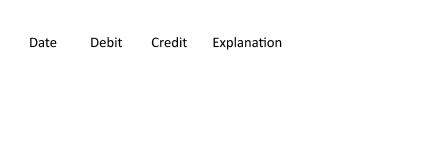
- The Pen and Paper Method: This is a classic, low-tech approach. Grab a notebook and divide it into categories like housing, groceries, transportation, and entertainment. For a month, write down every single expense and income source, no matter how small. At the end of the month, you’ll have a clear picture of where your money is coming from and where it’s going. Even if you find a quarter on the ground, write it down. I once found $22 on the sidewalk when I was out jogging.
- Digital Tools: There are plenty of free and paid budgeting apps available that can simplify the tracking process. These apps can categorize your expenses automatically, generate reports, and even sync with your bank accounts. I use an Excell or Google spreadsheet. It’s as simple as the image above and to the right.
No matter which method you choose, consistency is key. I try to do it every day but that doesn’t always happen. I save all my receipts and if I used a debit or credit card, there’s an online record to check. At least once a week, update my spreadsheet. Tracking for just a week or two won’t give you the full picture. Aim to track your expenses for at least a month to get a realistic idea of your spending patterns. I’ve been doing it for many years. I have a very clear picture of my finances.
Once you’ve tracked your expenses for a month, the real magic happens. You can analyze the data and identify areas where you can cut back. Maybe you realize you’re spending more on dining out than groceries. Perhaps there are subscriptions you no longer use. Armed with this knowledge, you can make informed decisions about your spending and start allocating your money more effectively towards your goals.
Bonus tip: What I realized after a year or two was how much extra money was spending by paying everything monthly. I realized it was chearper in the longrun to pay as much as possible by the year, which is almost always less overall. By then, I had a sizeable savings to draw from. Now, I pay whatever I can by the year instead of the month, which lowers my month-to-month output. However, in order to continue doing it that way, I put the money that I’d normally be spending per month into a savings account, which creates a double-bonus-interest on top of the money I’m saving.
Tip #3: Live Below Your Means – Making Every Dollar Count
So, what exactly does “living below your means” mean? In essence, it means spending less than you earn. This creates a buffer zone, an emergency fund that can protect you from unexpected expenses like car repairs or medical bills. It also frees up money you can allocate towards your savings goals and, yes, even some fun!

Here are three key strategies to implement living below your means:
- Prioritize Needs Over Wants: The first step is distinguishing between your needs and your wants. Needs are the essentials – housing, food, healthcare, utilities. Wants are everything else – that new flat-screen TV, daily lattes, expensive dinners out. Focus on meeting your needs first, and then see what’s left over for your wants.
- Embrace Frugal Living: Frugality doesn’t mean sacrificing quality of life; it’s about being resourceful and intentional with your spending. There are countless ways to save money without feeling deprived. Consider cooking more meals at home instead of eating out. Explore free or low-cost entertainment options like visiting museums on free admission days or taking walks in nature. Shop around for better deals on insurance, cable, and other monthly expenses.
- Think of Frugality not as depriving yourself: Think of it in terms of the rubber band mentality-pull back as much as you can now to help you spring forward later. As you gain control of your finances and begin to see the results of your frugaliy, in the end, you will get more of what you want more often. If for no other reason, it will be because you are finanically prepared rather than going into debt. It truly is a freeing feeling.
Remember, living below your means is a journey, not a destination. There will be times when you splurge or go over budget. The important thing is to be mindful of your spending and course-correct when necessary. The more you practice prioritizing your needs and embracing frugal living, the more control you’ll gain over your finances.
Tip #4: Create Sinking Funds – Divide and Conquer Your Goals
Let’s say you dream of taking a trip to visit your grandchildren across the country next year. The cost might seem daunting at first. Here’s how sinking funds can help:

- Goal Setting: First, define your specific goal. Is it a vacation, a new appliance, or a holiday gift for the grandkids? The more specific you are, the easier it is to calculate the amount needed and the timeframe to save.
- Sinking Fund Mechanics: Once you know your goal and target amount, decide how much you can realistically contribute each month. There are no hard and fast rules here. It could be $20 a week, $50 every paycheck, or whatever fits your budget. The key is consistency. Set up automatic transfers from your checking account to your sinking fund account (or a designated savings envelope if you prefer the analog method).
Sinking funds aren’t just for aspirational goals. They can also be a lifeline for unexpected expenses:
- Peace of Mind: Car repairs, home maintenance issues, even medical bills can wreak havoc on your budget. A sinking fund designated for emergencies can prevent you from going into debt or raiding your retirement savings when the unexpected strikes.
- Staying on Track: Knowing you have a safety net in place can help you avoid dipping into your regular budget for unexpected costs. This keeps you on track with your overall financial goals.
Remember, sinking funds are flexible. You can adjust your contribution amounts as needed. The important thing is to develop a habit of saving towards specific goals. This way, you’ll always have the peace of mind knowing you’re working towards a brighter financial future.
Although car expenses are necessity for me and probably for you too, I keep a separate account specifically for my car. That includes gas, maintenance, repairs, and insurance. By the way, my car is paid off. What I do is figure 70 cents a mile and approximate the number of miles I drive in a month. Whatever that amount is, I put into my car account. I pay for gas and all expenses from that account. When I need repairs, new tires, or whatever for the car, the money is already there and it doesn’t affect my normal budget or my daily life.
Tip #5: Reframe Your Thinking – From Budgeting Blues to Financial Freedom
Here’s the thing: many of us have developed negative associations with money management throughout our lives. Maybe we witnessed parents struggling to make ends meet, or experienced debt collection calls firsthand. These experiences can leave us feeling powerless and anxious about our financial future.

Here’s how to reframe your thinking about budgeting:
- Budgeting as a Roadmap: Think of a budget like a roadmap for your financial journey. It helps you chart your course, identify your destinations (financial goals), and allocate your resources (income) effectively to get there. With a clear plan in place, you can approach your finances with confidence and proactive decision-making.
- Empowerment, Not Restriction: A budget doesn’t have to feel like a cage. Instead, view it as a set of guidelines that empower you to make conscious choices about your money. By understanding where your money goes, you gain the power to prioritize your spending and allocate funds towards the things that matter most to you.
Remember, reframing your thinking is a journey, not a destination. There will be times when you slip up or get discouraged. The important thing is to maintain a positive attitude and focus on the progress you’re making. The more you practice mindful spending habits and celebrate your achievements, the more empowered you’ll feel about your financial future.
My Budget Breakdown: A Peek Under the Hood (But Not a One-Size-Fits-All Model)
Transparency is Key:
The reason I’m sharing my budget breakdown is for illustrative purposes only. It’s not a prescription for financial success. Consider it a starting point to spark ideas for your own budgeting journey. The key is to understand the categories and how you can adapt them to fit your unique circumstances.

55% for Necessities: Building a Solid Foundation
Ideally 55% of my budget goes towards necessities – the essential expenses that keep my household running smoothly. Here’s a breakdown of what “necessities” entail for me:
- Housing: This includes my rent, utilities (electricity, water, trash), and internet service.
- Groceries: Healthy eating is a priority for me, so I allocate funds for buying organic fresh produce, whole grains, and lean proteins.
- Transportation: I factor in the cost of gas for my car, bus fare when needed, and the occasional rideshare service.
- Healthcare: This includes my monthly health insurance premium and copays for doctor visits and prescriptions.
Remember, your definition of “necessities” will vary depending on your lifestyle. For example, if you live in a colder climate, heating costs might be a significant necessity expense. The important thing is to identify the core expenses that are essential for your well-being.
The Remaining Allocations: Building a Fulfilling Life
Ideally, the remaining 45% of my budget would be allocated towards various categories that contribute to my overall well-being and happiness. Here’s a quick overview:
- Financial Freedom (10%): This portion goes towards investments and savings goals, or a supplemental retirement fund. The only time this fund is touched is if it will make me money. It is never used for spending.
- Contingency Fund (10%): Life throws curveballs, so I set aside money for unexpected expenses like car repairs or medical bills.
- Fun & Activities (10%): Because life isn’t all about work and saving! I allocate funds for hobbies like hiking and photography, as well as occasional social outings with friends.
- Education (5%): Whether we realize it or not, we need to always educate ourselves. The list of educational opportunities is endless.
- Travel (5 %): I love to travel and I love cruise ships but those things can be expensive.
- Giving (5%): This can be for donations and/or gifts. It seems to always be something. I’m ready but will only give what I can afford.
While I’ve provided percentages for reference, the beauty of budgeting is its flexibility. You can adjust these categories and allocations based on your priorities. Maybe you dream of traveling more often, so you might allocate a higher percentage towards that. Sometimes, I use money that I’ve set aside for “fun and activities” to make up a shortfall in my travel fund. The key is to find a balance that ensures your financial security while allowing you to enjoy life today.
Let me be clear. The percentages I’ve stated are ideals. They are not yet reality for me. As a matter of full disclosure, I’m living on about 75% of my income. My necessities fund is more like 60%. However, I still find a way to fund each of my accounts every month, although not yet at the ideal amounts. So, although I’m not yet where I want to be, I’m far better than I was seven years ago when I began documenting all my finances.
Remember, your budget is a living document. Review it regularly and adjust it as your income, expenses, and goals evolve. By embracing budgeting as a tool for financial empowerment, you can build a secure and fulfilling future for yourself.
From Overwhelmed to Empowered – Your Financial Journey Starts Now!
In this article, we’ve explored five key budgeting tips that can transform your financial outlook, regardless of your income. We discussed the importance of developing a positive mindset about budgeting, viewing it as a tool for empowerment rather than restriction. We learned strategies to track every penny and identify areas where we can cut back without sacrificing quality of life. We discovered the power of sinking funds to achieve specific goals and build a safety net for unexpected expenses. Finally, we explored ways to prioritize needs over wants and live within our means.

Remember, building a secure financial future doesn’t happen overnight. It’s a journey that requires consistent effort and adaptability.
If you’re anything like me, it will probably mean you need to make some changes in your life and your thinking about your life. I’ve had to redifine my definitions of necessities and fun.
Believe it or not, fun doesn’t have to be expensive.The good news is that every small step you take towards financial awareness empowers you and brings you closer to your goals.
After while, you’ll probably find that you can afford to have some expensive fun now and then without worrying what it costs.
Here’s your call to action: Don’t be intimidated by the word “budget.” Think of it as a roadmap to your financial freedom. Grab a notebook or download a budgeting app and start tracking your expenses today.
Set realistic goals, prioritize your needs, and embrace frugality without feeling deprived. Remember, you are in control of your financial destiny. So, take a deep breath, embrace the possibilities, and start building the secure and fulfilling retirement you deserve!
People Also Ask:
Q: I’m overwhelmed by the idea of budgeting. Where do I even begin?
A: Don’t worry, you’re not alone! Start small. Track your expenses for a week or two to see where your money is going. There are free budgeting apps and online tools that can simplify the process.
Q: I live on a fixed income. How can I possibly save for the future?
A: Even small amounts saved consistently can add up significantly over time. Review your budget and see if there are areas where you can cut back, even slightly. Focus on prioritizing your needs and explore senior discount programs or government assistance options that might be available.
Q: What if I’m not good with math? Can I still handle budgeting?
A: Absolutely! Many budgeting tools and apps do the calculations for you. There are also plenty of budgeting resources designed for seniors, often offered through local libraries or community centers.
Q: Is budgeting about depriving myself of everything I enjoy?
A: Not at all! Budgeting is about taking control of your finances and making your money work for you. Once you understand your spending habits, you can allocate funds for the things that bring you joy, guilt-free!
Q: What if I mess up or go over budget?
A: We all do sometimes! The important thing is not to get discouraged. Review what happened, adjust your budget if necessary, and recommit to your goals. Remember, budgeting is a journey, not a destination.
Leave comments and questions in the comments section below. I will promptly reply.

Hi Bob,
The article on creating a personal budget for seniors is incredibly insightful, emphasizing strategies that cater to the unique financial situations the elderly face. What stands out is the practicality of the advice, such as prioritizing savings, being mindful of expenses, and setting clear financial goals. Living below one’s means, especially with a fixed income, is particularly pertinent and achievable with the suggested approaches. This advice offers a way to manage finances better and enjoy a fulfilling life without the constant worry of financial security. It’s a reminder that economic freedom and enjoyment in retirement are achievable with thoughtful planning and discipline.
Hi Sara, welcome back and thanks again for your comments. Budgeting is vital for all ages, probably moreso for seniors, I only wish I’d realized its value sooner.
Leave comments and questions here anytime. I will promptly reply.
Bob