

Running isn’t just about the physical act of moving one foot in front of the other. It’s about the feeling, the freedom, and the health benefits that come along with it. Over the last 40-plus years, I’ve discovered how running transformed not just my health but my outlook on life.

Running regularly gives you a serious boost. For me, it inspires a sense of well-being that’s hard to beat. Feeling healthier? That’s a given. But it also helps me sleep like a log, keeps my blood pressure in check, and to tell you the truth, probably played a big role in my recovery from cancer. Can you believe my doctors were amazed at how quickly I bounced back? They said my years of running made a huge difference.
It’s a no-brainer that incorporating running into your routine can positively impact your mind and body. Just remember, it’s not just about running fast or far right away. Starting with a basic goal and embracing walking as part of the process is perfectly fine. What matters is the move toward a dapper and vigorous lifestyle, the one that helps you tackle each day with renewed energy.
So, what’s in it for you? Besides the obvious gains in physical health, running offers a mental clarity that feels like a breath of fresh air. It’s transformative, and trust me, it’s not something that fades with age. We’re seniors, sure, but that just means we’re wiser about taking the steps that propel us forward.
Starting Slow: Paving Your Way as a Senior Runner
Getting started can feel just as exciting as it does daunting, especially if running is new to you. But, I’ve learned the magic lies in starting with walking. This isn’t a race; it’s more like a new dance to master at your own rhythm. By walking first, you’re preparing your body for what lies ahead, and believe me, it’s a smart move.
| Week | Activity | Details | Tips |
|---|
| 1 | Walking Only | Walk 15–20 minutes daily at a comfortable pace. | Focus on building a routine and getting your body accustomed to movement. |
| 2 | Walking with Light Jogging | Walk for 5 minutes, then jog for 30 seconds. Alternate for a total of 15–20 minutes. | Pay attention to how your body feels. If you feel pain beyond initial soreness, stick to walking. |
| 3 | Jogging 1/4 Mile | Begin with a 5-minute walk to warm up, then jog 1/4 mile (or 2–3 minutes at an easy pace), followed by a 5-minute cooldown walk. | Focus on jogging with proper form, using your whole foot to push off and avoiding stress on toes or heels. |
| 4–6 | Incremental Increase to 1/2 Mile | Gradually increase jogging distance by 1–2 minutes per week until reaching 1/2 mile (or 4–6 minutes of continuous jogging). | Keep a conversational pace while jogging to avoid overexertion. Alternate jogging with walking as needed. |
| 7–9 | Build to 1 Mile | Add 1–2 minutes of jogging weekly until you can comfortably jog 1 mile (8–12 minutes). Start and end each session with a 5-minute walk for warm-up and cooldown. | Listen to your body—avoid pushing through pain. Soreness is normal, but pain is a signal to stop or reduce intensity. |
| 10+ | Steady Progression | Add no more than 10% to your jogging distance each week. For example, if jogging 1 mile, increase to 1.1 miles the following week. | Prioritize consistency over distance. It’s better to jog less today and maintain regularity than to overdo it and need prolonged recovery. |
| Ongoing | Maintenance & Enjoyment | Jog 2–3 times a week at a comfortable distance. Consider mixing in longer walks, stretching, or light strength training for overall fitness. | Enjoy the process and celebrate milestones! Keep your form steady and prioritize injury prevention to sustain long-term progress. |
Key Reminders:
- Always warm up before jogging and cool down after.
- If pain (beyond soreness) occurs, stop jogging and switch to walking until discomfort subsides.
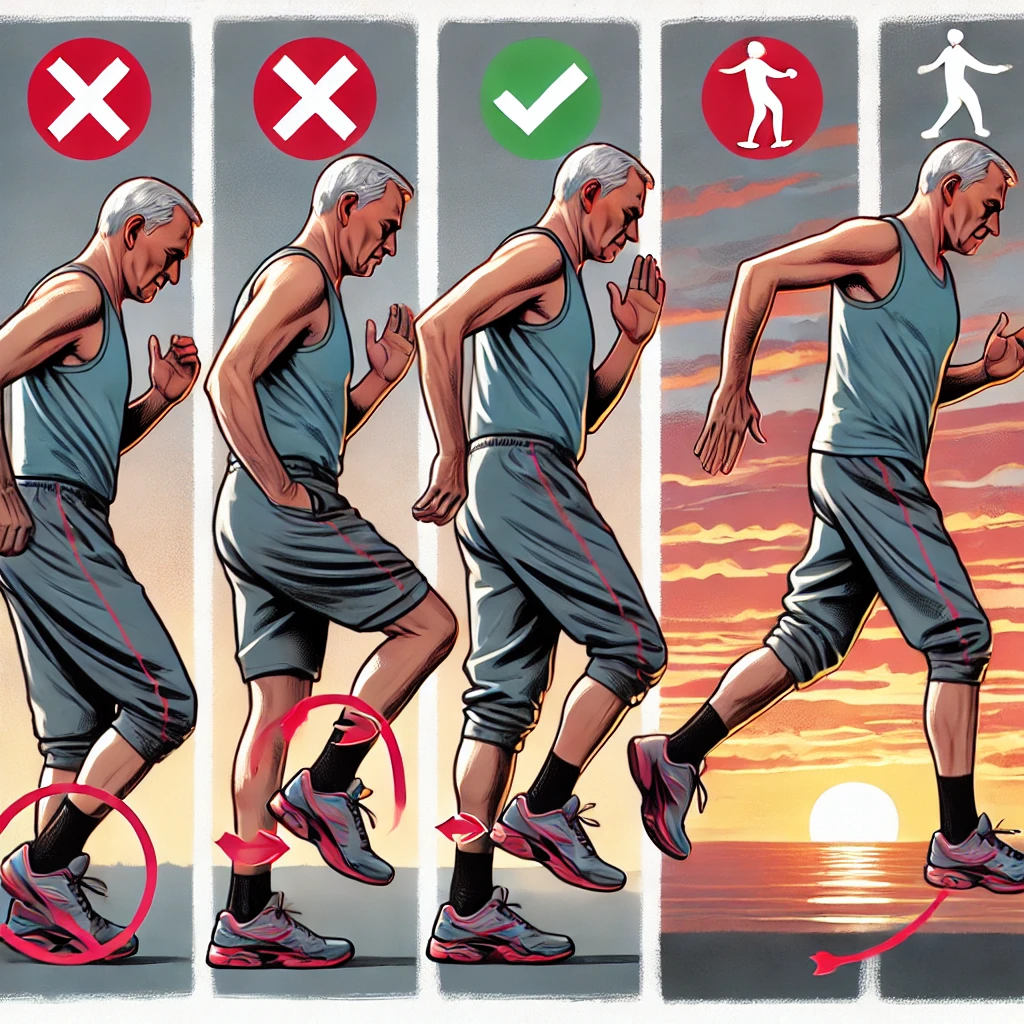
- Proper technique involves using your whole foot for a smooth, gliding motion—avoid excessive stress on toes or heels.
- Be patient! Building stamina and strength takes time, but gradual progress reduces the risk of injury or burnout.
When it comes to how much to do, I recommend aiming for about 1/4 to 1/2 mile at first. That might sound modest, but it’s actually the sweet spot to ease your body into the art of running. Anything beyond that too soon can be overwhelming for the muscles and joints, so take it easy and let your body guide your pace.
Warming up is another essential part of the equation. It sets the stage for a safer and more enjoyable run by loosening up those muscles and getting them ready for action. A few stretches before you hit the road or path can really make a difference.
Building up slowly is key. Small, gradual increases in your distance or speed help lay a solid foundation for sustainable running. Set realistic goals; there’s no rush. Your future self will thank you when you look back and see how far you’ve come.
At the heart of this journey is setting out with honesty and patience with yourself. Running, literally, is about the long haul, not the quick sprint. I’m here to tell you that taking it slow is not just okay; it’s the best way forward for a fulfilling running experience.
Creating an Effective and Safe Running Routine
Consistency is your best friend when it comes to establishing a running routine. Running two or three times a week works wonders. It’s about getting your body used to a new rhythm without overdoing it. Just remember, it’s perfectly fine not to run every day. Recovery days are crucial and let your muscles heal, reducing the risk of injury.
Recovery isn’t just about resting, though. It’s a good idea to continue staying active but in different ways—like doing a bit of yoga or going for a leisurely walk. Keeping things diverse helps prevent getting stuck in a rut and keeps your body fresh.
Now, let’s talk about running style. Using your whole foot makes a big difference. Trust me, you want to avoid running just on your toes or heels. Striking a balance in your step gets you gliding along the pavement rather than lumbering through it. Imagine you’re floating, not fighting with each step.
Pay attention to what your body is saying. Soreness is normal when you’re starting out but be cautious about pain. If it hurts, stop immediately and give yourself time to heal. There’s no gain in pushing through pain—doing so often only leads to setbacks.
Building a running habit that sticks is all about smart planning, body awareness, and making sure you’re having fun. When you enjoy what you’re doing, it’s easier to stick with it and reap the rewards.
Achieving Long-Term Success and Wellness through Running
Running has been more than just exercise for me; it’s become a journey of resilience and achievement. Over time, I’ve learned to celebrate each milestone, no matter how small, because each step is progress. Recognizing your victories, whether it’s running a bit further or feeling more energetic, keeps you motivated.
Shake things up by exploring different running terrains and speeds. Variety keeps things interesting and can be a fun challenge for your body and mind. Whether it’s a nearby park or a new trail, each run brings a new experience.
Building connections with fellow runners, especially other seniors, can add immense value to your routine. Sharing your experiences, tips, and progress creates a supportive community. It feels less like a solitary activity and more like being part of something bigger.
When you reflect on your running journey, it’s clear that persistence pays off. Embracing every part of it—the ups and downs—adds to your wellness and sense of fulfillment. Running isn’t just about getting physically fit; it’s about carving out time for yourself, growing stronger, and finding joy in moving forward.
Leave comments and questions in the space below.
Hi bob,
This article is such an inspiring read! I love how you emphasize starting slow and building up gradually, especially for seniors new to running. It’s easy to get excited and push too hard too soon, but the way you highlight the importance of listening to your body is so important for long-term success. How do you recommend staying motivated during those inevitable tough days when progress feels slow? Have you found any strategies for overcoming mental hurdles along the way?
Hi Zachary, thanks for your comments. I don’t really have a strategy for staying motivated other than to eat right, sleep well, and do my best to stay with a routine. There are times the best I can do is have a “Just Do It” attitude. It doesn’t always work.
Bob
Thank you for sharing your inspiring journey with running! It’s incredible to hear how it has positively impacted your health and well-being, especially in aiding your recovery from cancer. Your story is a testament to the transformative power of running, both physically and mentally. I completely agree that starting slow and incorporating walking is a smart approach. It’s all about building a sustainable routine that fits your pace and lifestyle. The mental clarity and sense of accomplishment that come with running are truly unmatched.
I’m curious, what motivated you to start running in the first place? Your experience could inspire others who are considering taking up this rewarding activity.
Thanks again for sharing your insights and experiences!
Hi Jay, thanks for your comments. The thing that inspired me to begin running was obesity. I started running in 1978 at the age of 24. I quit drinking, using drugs, and smoking cigarettes in my 30’s and running became my drug.
Bob
Wow, this article beautifully captures the life-changing benefits of running, especially how it can impact recovery and overall well-being. Your story about bouncing back from cancer thanks to years of running is truly inspiring—it’s proof of the resilience that an active lifestyle builds over time. I love the emphasis on starting slow, particularly for seniors or beginners. It’s such a refreshing reminder that it’s not about speed or distance but about embracing movement as a journey toward vitality. Running really is a gift for both the body and mind
Hi Taquee, thanks for your comments. We were actually born to run as written in the book by the same name. I believe it. It’s done wonders for me.
Bob