

Unlock the secrets of captivating content with these effective writing techniques tailored for bloggers. Elevate your blog to new heights with expert tips and tricks. Dive in now!
I’m going to start off by shining a light on the power of effective writing in blogging. This isn’t just about stringing words together; it’s about crafting messages that stick with your audience. I’m here to help you navigate through the art of engaging your readers and establishing your blog as a go-to resource.

In my opinion, the backbone of every successful blog is E-E-A-T – that stands for Experience, Expertise, Authoritativeness, and Trust. It’s all about proving to your readers – and to Google – that you know your stuff, that you’re trustworthy, and that you’re the source they should turn to.
You’re going to find out about the delicate balance between creating content that resonates with people and pleasing the algorithms that dictate search rankings. SEO still plays a key role, but it doesn’t have to come at the expense of a good read. Your blog can shine in search results while still putting your readers first.
Creating People-First Content: The Heart of Blogging
When it comes to blogging, nothing is more critical than ensuring your content genuinely resonates with your readers. You’re going to find out about creating people-first content, which is the kind of content that delivers actual value and connects on a human level.

I’m here to help you with techniques to better understand and engage your audience. This isn’t just about what you want to say; it’s about what your readers need to hear. By using tools like reader personas, reader surveys, and feedback forms, you can gather insights that inform your content creation process.
But how do you craft content that people can relate to? Well, start by telling stories. Share experiences, challenges, and triumphs that reflect your reader’s journey. Choose something that resonates with you, as this authenticity often strikes a chord with others.
Also, it’s crucial to make your content accessible. This includes structuring your articles with clear headings, using plain language, and explaining complex concepts with simplicity. Remember that your audience may have varying levels of expertise and background.
Lastly, diversity in your content approach can attract a broader audience. Mix up your formats with how-to guides, interviews, personal narratives, and listicles. Incorporating visuals, infographics, and videos can also make your content more engaging. Choose a variety that reflects your brand and appeals to the reader’s preference for consuming information.
Incorporating E-E-A-T into Your Writing
You’re going to find out about a concept that can make or break your blog’s reputation. It’s called E-E-A-T, which stands for Experience, Expertise, Authoritativeness, and Trust. Let me break it down piece by piece.
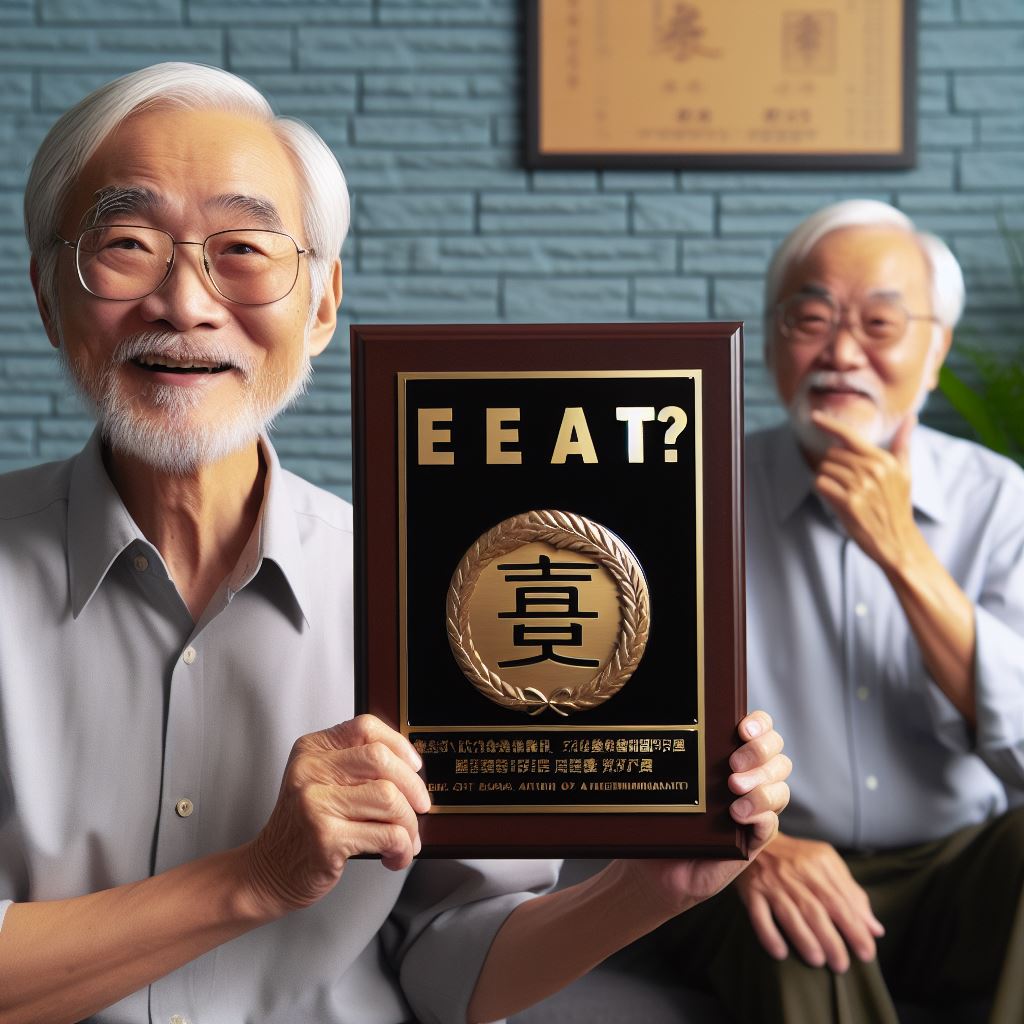
Experience is everything when it comes to relating to your readers. They want to know you’ve been in their shoes. Show them through detailed examples, relevant stories, and practical insights.
When we’re talking Expertise, this is about showing you know your stuff. Whether it’s from formal education or a passion you’ve pursued to the edge of the internet, your blog needs to show depth of knowledge.
Authoritativeness is about where you stand in the crowd. It’s not just about what you say; it’s about who else listens and respects your opinions. This could be through features, references from trusted entities, or just being cited by your peers.
Trust is the core member of the E-E-A-T family. I cannot stress this enough. It’s built through consistent, fact-checked, and transparent content. Help your readers by providing accurate information and admitting when you don’t have all the answers.
You can build this trust by linking to reputable sources, quoting experts, and avoiding clickbait. If you promise an epic guide, it better be epic.
And here’s something cool: When you’ve nailed E-E-A-T, you’re not just winning your readers’ hearts; you’re also giving search engines like Google a green light. They love content that humans find helpful and trustworthy.
SEO Strategies to Complement Effective Writing
Now, you’ve got a strong grasp on how to create content with a focus on the value it brings to your readers, but let’s not forget about the technical side of things. SEO is still a crucial element of successful blogging. It’s not just about using keywords; it’s about creating content that’s easily discoverable by those who need your insight the most.

Keyword research is much more than a routine task—it’s your gateway to understanding what your audience is curious about. Choose keywords that align with the topics you’re passionate about and that you know will offer value. Don’t just sprinkle them throughout your content; weave them into your narrative so that they enhance, rather than distract from, your message.
Commit to crafting content that’s not only thorough but also easy for your readers to digest. Break up text with subheadings, lists, and bullet points. Use internal and external links wisely to connect ideas and provide further reading. This approach helps you build an interconnected network of content that boosts visibility and reinforces your authority.
Lastly, keep an eye on the evolution of SEO. Algorithms change, and what worked yesterday may not be as effective tomorrow. Stay informed, be ready to adapt, and always prioritize the experience of your audience over trying to game the system. That’s how you use SEO to support your writing, not overshadow it.
People Also Ask
Q: What are some effective writing techniques for bloggers? A: Effective writing techniques for bloggers include creating attention-grabbing headlines, crafting engaging introductions, using clear and concise language, incorporating visual elements, and maintaining a consistent tone and voice throughout the blog post.
Q: How can bloggers improve their content quality? A: Bloggers can improve their content quality by conducting thorough research, understanding their target audience, addressing their audience’s needs and interests, proofreading and editing their posts carefully, and seeking feedback from peers or readers.
Q: Why is it important for bloggers to use effective writing techniques? A: Using effective writing techniques is crucial for bloggers because it helps them attract and retain readers, communicate their ideas clearly and persuasively, establish credibility and authority in their niche, and ultimately achieve their blogging goals, whether it’s increasing traffic, engagement, or conversions.
Q: Are there any specific tools or resources available to help bloggers enhance their writing skills? A: Yes, there are several tools and resources available to help bloggers enhance their writing skills, including online courses, writing communities, style guides, grammar checkers, and content optimization tools. Additionally, reading blogs and books on writing and practicing regularly can also contribute to skill improvement.
Interested in learning how and where you can obtain all the tools and know how for Effective Writing Techniques For Bloggers?
Leave comments and questions in the comments section below. I will promptly reply.