
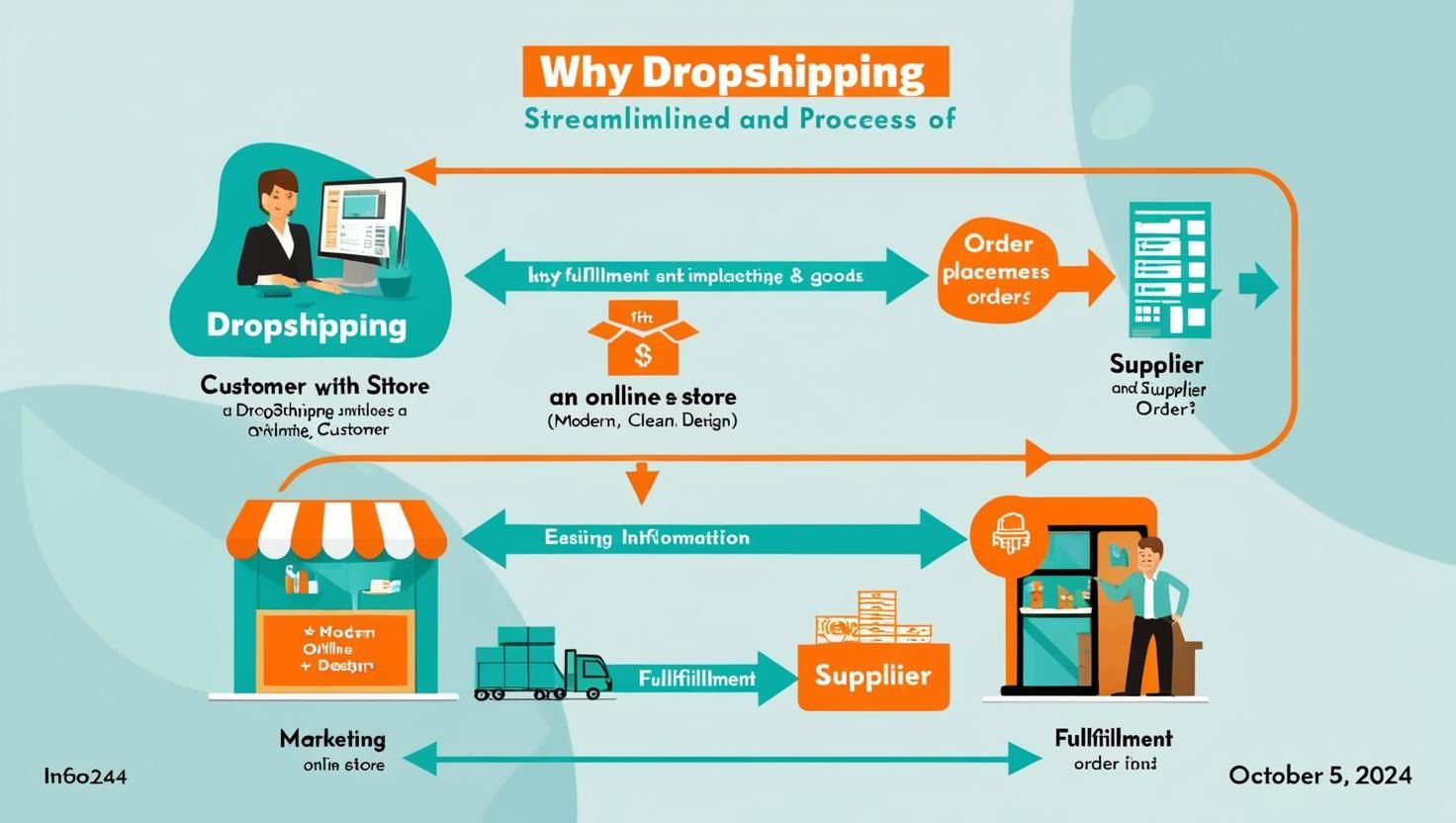
Dropshipping is reshaping the retail world with an almost-invisible approach to selling. By acting as the middle player between manufacturers and customers, you don’t need to stack up on inventory or worry about sending packages yourself. Instead, your role is to promote products, take orders, and let the supplier do the rest. Honestly, it’s a game-changer for folks wanting to dip their toes into entrepreneurship without the hefty upfront costs.
One of the greatest perks of dropshipping? Flexibility. You get to work from wherever you want and manage your online store at any time. But, not so fast—there are hurdles too. Competition is stiff, and profit margins can be tight if you don’t play it smart. Plus, you’re relying heavily on suppliers to fulfill orders, and let’s face it, any hiccups on their side can reflect on your business. Stay on your toes and keep those supplier relationships solid.
While traditional retail demands significant investment in inventory and storage, dropshipping lets you avoid all that. There’s no need to break the bank on stock. It’s a lean, low-risk model where the business process focuses on customer acquisition and management. The different approach here frees you from a lot of usual retail worries, but don’t underestimate the need for strategic planning and market research.
Suppliers and wholesalers are the fuel driving your dropshipping engine. Picking reliable ones can make or break your venture. Look for partners who offer quality products, timely delivery, and fair pricing—you don’t want to be caught off guard by sudden cost hikes or inventory shortages. Also, think about their reputation. Remember, their brand is effectively your brand once it hits your store.
Keeping up with industry trends is key. Things change rapidly online—whether it’s a new hot product, an advanced e-commerce tool, or shifts in customer preference. You’ll want to stay ahead of the game by continuously learning and adapting. Subscribing to industry news, joining dropshipping forums, and networking with other entrepreneurs can give you the edge you need to thrive in this evolving market.
Setting Up Your Profitable Dropshipping Website: Key Steps and Strategies
Your dropshipping journey starts with choosing the right e-commerce platform. Shopify, WooCommerce, and BigCommerce are popular choices, each with its own set of features to explore. Look for a platform that not only suits your budget but also offers scalability, user-friendliness, and seamless integration with dropshipping apps.
Picking a niche is crucial. It’s all about finding that sweet spot where demand meets opportunity. Dive into market research—spot trends, understand customer pain points, and identify what you can offer that’s unique. Avoid overcrowded markets unless you’ve got a killer strategy to stand out.
Building solid relationships with suppliers is essential. Vet them thoroughly. Check reviews, sample products, and ensure their shipping times align with your business standards. A dependable supplier means fewer headaches down the line and keeps your customers happy.
A sleek, user-friendly website can be your biggest asset. It’s not just about looking good; it’s about creating an effortless shopping experience. Use high-quality images, compelling product descriptions, and ensure your site is mobile-optimized. You don’t want potential buyers jumping ship because your site feels clunky.
Integrating payment gateways and shipping solutions can seem daunting, but they’re crucial. Make transactions smooth and secure with trusted payment processors like PayPal or Stripe. Also, offer various shipping options so customers can choose what works best for them, boosting your conversion rates.
Marketing and Scaling Your Dropshipping Business: From Launch to Expansion
Creating a brand that people remember is the lifeblood of your dropshipping success. It’s about having a clear identity and a unique value proposition that sets you apart from competitors. Think colors, logos, messaging—it all matters in building trust and recognition.
Digital marketing is your best friend in the world of dropshipping. SEO ensures your store can be found easily through search engines. Pay-per-click (PPC) advertising can drive targeted traffic to your site quickly. Then there’s social media. It’s not just for memes and selfies; platforms like Instagram and TikTok can propel your brand into the spotlight with the right strategy.
Analytics isn’t just for data geeks now—it’s for anyone looking to grow their business. Use tools like Google Analytics or Facebook Insights to learn which strategies are bringing in the most traffic and which might need a little tweaking. It’s about working smarter, not harder.
Keeping your customers happy means keeping them around. Excellent customer service can turn a one-time buyer into a loyal promoter of your brand. Answer inquiries promptly, address issues with grace, and consider loyalty programs or personalized offers to keep them coming back.
As you get more established, consider scaling your business. Explore the potential of multichannel selling on platforms like Amazon or eBay to reach a wider audience. Delve into global dropshipping to tap into international markets, but always consider the additional costs and logistics involved.
Managing Risks and Ensuring Compliance: Best Practices for Sustainable Growth
Risks exist in any business, and dropshipping is no different. Identifying potential risks like supplier uncertainties, product quality issues, or delivery delays is crucial. Being proactive about these can save you a boatload of trouble later.
To keep the business side of things smooth, get familiar with key compliance areas. This involves understanding data protection regulations—privacy policies and cookie notices are more than just fine print. Your customer’s data should be handled with care and respect, building trust in your brand.
Returns and refunds are inevitable. Craft clear, easy-to-understand policies that protect both you and your customers. It’s not just about covering losses, but about maintaining goodwill with your buyers.
Explore sustainable practices and ethical sourcing. Modern consumers are savvy, and many prefer to buy from brands that value environmental and social responsibility. Demonstrating commitment to these areas can not only improve brand reputation but also attract a more conscientious customer base.
E-commerce rules and international trade laws don’t stay static. Make it a priority to stay informed about any changes that could impact your business operations. Regularly reviewing legal publications or partnering with a knowledgeable legal advisor can keep you compliant and protect you from potential legal issues.